
'%20fill='%231f1f1f'/%3e%3c/svg%3e)
'%20fill='%231f1f1f'/%3e%3c/svg%3e)
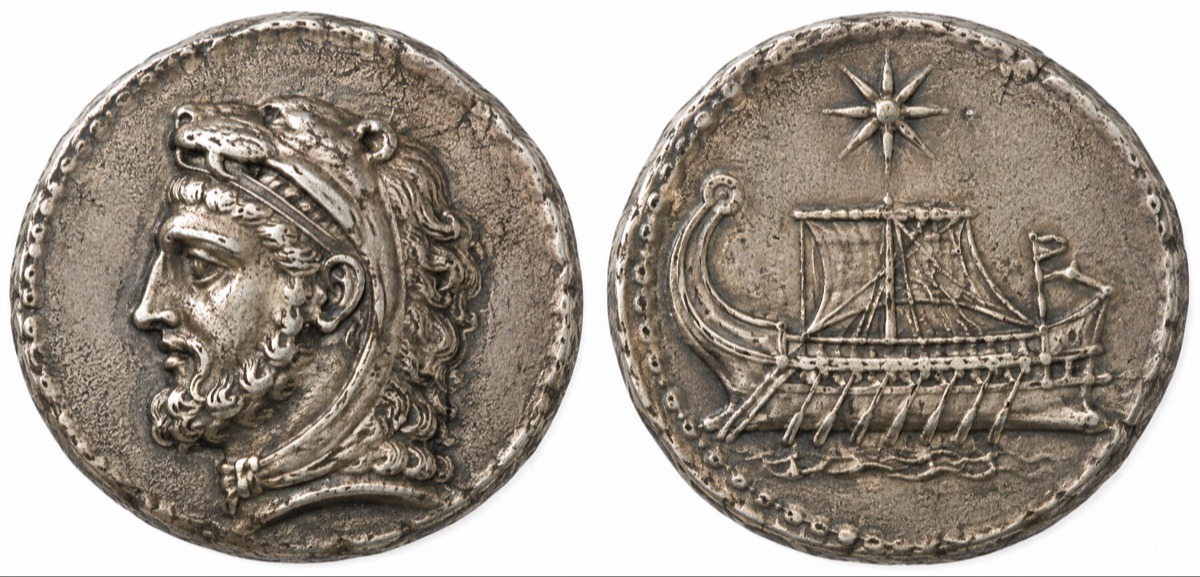
Coin Grading Explained: What the Grade Tells You
The grade is one of the first things a collector looks at. It describes how well a coin has survived, and it often matters more for the price than the age of the piece.
Verbal grades
Traditional grading uses words: Good, Very Good, Fine, Very Fine, Extremely Fine, About Uncirculated and Uncirculated. The scale runs from heavily worn coins, where only the main design is visible, to pieces that never circulated and keep their original surface.
The Sheldon scale
Many catalogues use the numerical Sheldon scale, which runs from 1 to 70. Circulated coins fall between 1 and 58, while 60 to 70 is reserved for Mint State pieces. The higher the number, the fewer marks and the better the lustre. A grade such as MS 64 combines the abbreviation with the number.
Certified coins
Independent grading services such as NGC and PCGS examine a coin, assign a grade and seal the piece in a holder with a certificate number. The number can be checked on the service's website, which makes it easier to compare coins offered by different sellers.
Reading a grade in a catalogue
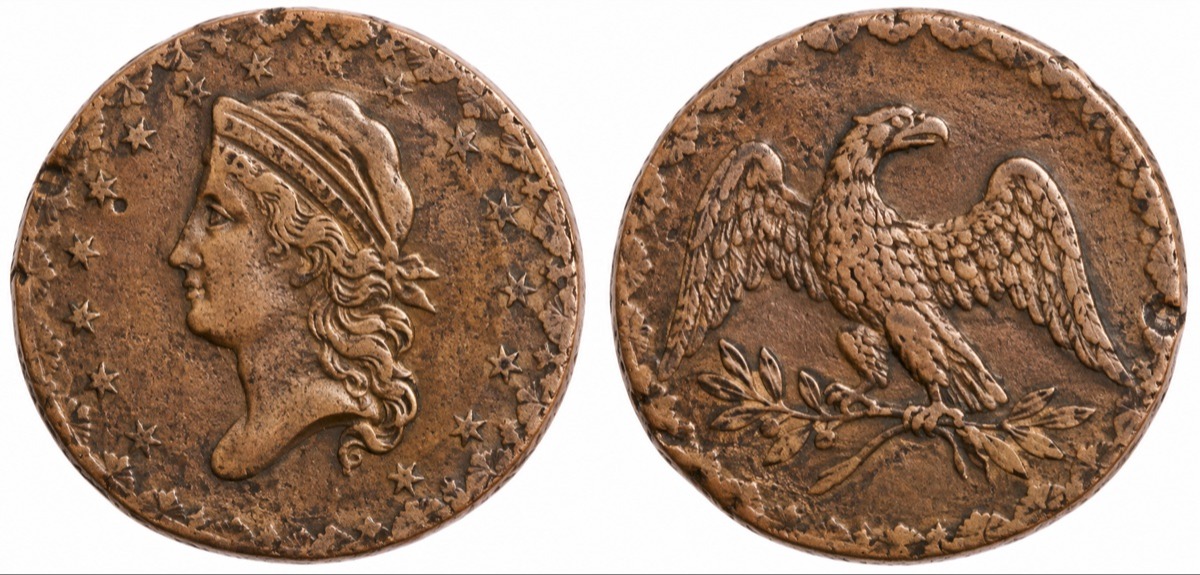
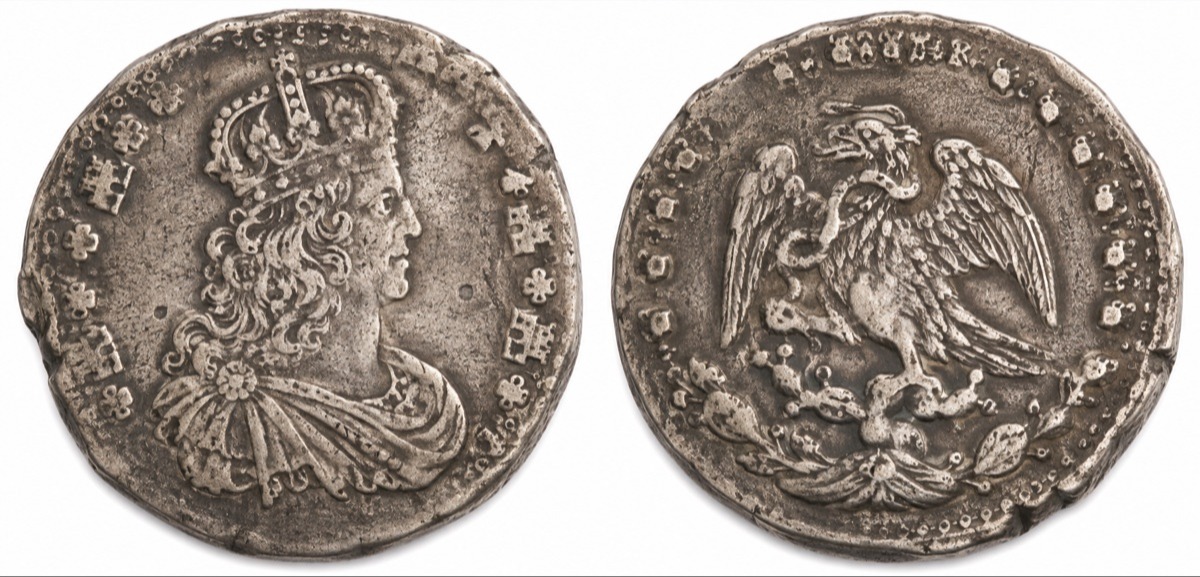
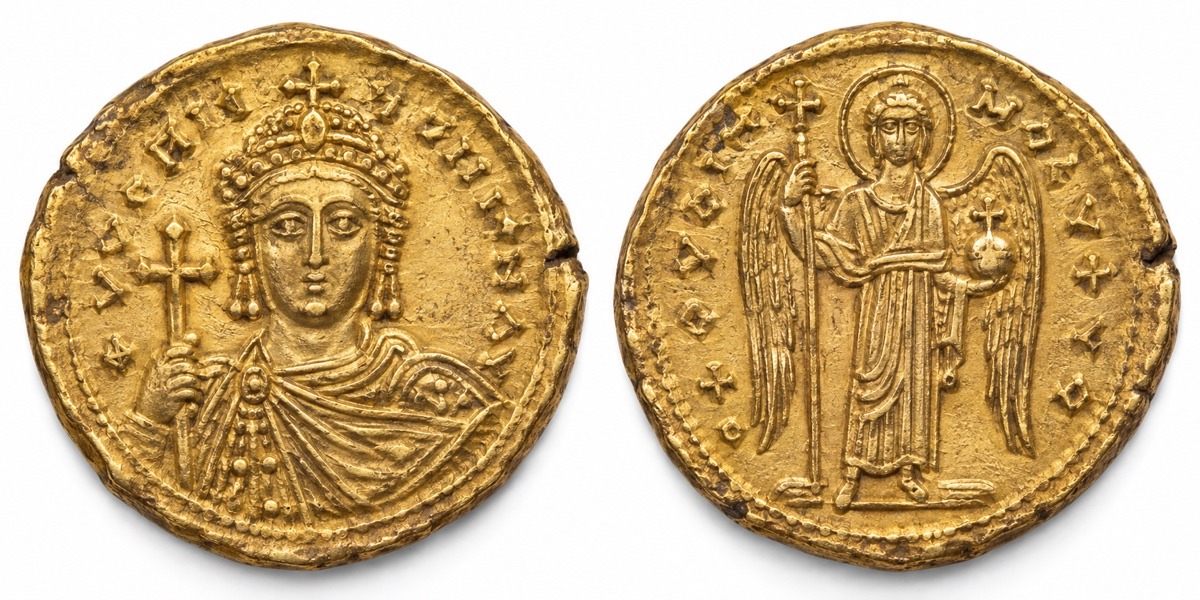
Grading standards vary between countries and auction houses, so always look at the photographs as well. Wear on the highest points of the design, scratches, cleaning and edge damage all affect value, and a careful description will mention them.
'%20fill='%231f1f1f'/%3e%3c/clipPath%3e%3c/defs%3e%3cg%20id='Group_7298'%20data-name='Group%207298'%20transform='translate(0%200)'%3e%3cg%20id='Group_5181'%20data-name='Group%205181'%20transform='translate(0%200)'%20clip-path='url(%23clip-path)'%3e%3cpath%20id='Path_781'%20data-name='Path%20781'%20d='M17.9,40.129H16.863a7.911,7.911,0,1,0-15.822,0H0a8.952,8.952,0,0,1,17.9,0'%20transform='translate(0%20-22.641)'%20fill='%231f1f1f'/%3e%3cpath%20id='Path_782'%20data-name='Path%20782'%20d='M20.134,9.473a4.736,4.736,0,1,1,4.737-4.736,4.742,4.742,0,0,1-4.737,4.736m0-8.431a3.7,3.7,0,1,0,3.7,3.7,3.7,3.7,0,0,0-3.7-3.7'%20transform='translate(-11.182%200)'%20fill='%231f1f1f'/%3e%3c/g%3e%3c/g%3e%3c/svg%3e)