
'%20fill='%231f1f1f'/%3e%3c/svg%3e)
'%20fill='%231f1f1f'/%3e%3c/svg%3e)
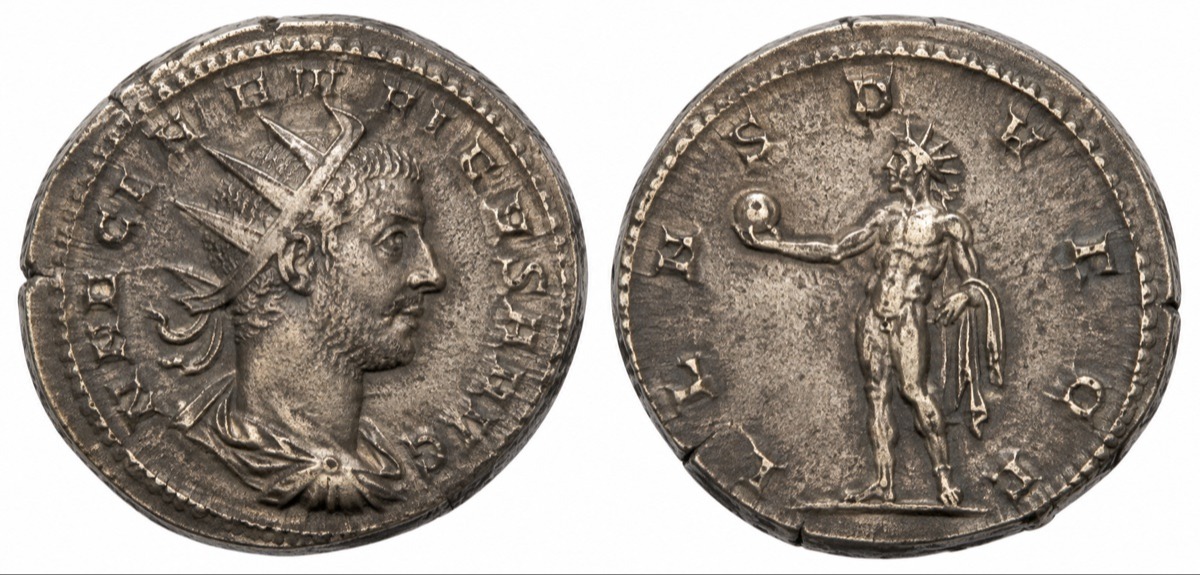
How Online Coin Auctions Work: From Catalogue to Hammer
Buying coins at auction is simpler than it looks from the outside. Every sale follows the same rhythm, and once you know the stages you can take part with confidence.
1. The catalogue is published
Before the sale, the auction house publishes its catalogue. Each lot has photographs, a description, a grade and a starting price. This is the time to study the pieces, compare them with similar coins in past results and decide what each one is worth to you.
2. Advance bidding
You do not have to wait for the sale day. You can leave a maximum bid in advance: the system then bids for you in the smallest possible steps and never goes above the limit you set. If nobody bids against you, you pay less than your maximum.
3. The live session
On the day of the sale the lots are offered one after another. You follow the session in your browser and bid in real time against other bidders. Lots move quickly, so it helps to know your limits beforehand.
4. After the hammer
If yours is the highest bid, the lot is yours. The auction house sends an invoice with the hammer price, the buyer's premium and shipping. Once it is paid, the house packs and dispatches your purchase.
The details — premium, payment methods, shipping — differ from house to house, so read the terms of each sale before you bid.
'%20fill='%231f1f1f'/%3e%3c/clipPath%3e%3c/defs%3e%3cg%20id='Group_7298'%20data-name='Group%207298'%20transform='translate(0%200)'%3e%3cg%20id='Group_5181'%20data-name='Group%205181'%20transform='translate(0%200)'%20clip-path='url(%23clip-path)'%3e%3cpath%20id='Path_781'%20data-name='Path%20781'%20d='M17.9,40.129H16.863a7.911,7.911,0,1,0-15.822,0H0a8.952,8.952,0,0,1,17.9,0'%20transform='translate(0%20-22.641)'%20fill='%231f1f1f'/%3e%3cpath%20id='Path_782'%20data-name='Path%20782'%20d='M20.134,9.473a4.736,4.736,0,1,1,4.737-4.736,4.742,4.742,0,0,1-4.737,4.736m0-8.431a3.7,3.7,0,1,0,3.7,3.7,3.7,3.7,0,0,0-3.7-3.7'%20transform='translate(-11.182%200)'%20fill='%231f1f1f'/%3e%3c/g%3e%3c/g%3e%3c/svg%3e)